Milwaukee’s Earliest Record Stores: From Shellac to Vinyl
Long before vinyl records became a lifestyle accessory or a cultural statement, Milwaukee was already a serious record-buying city. In the early 20th century, recorded music was sold mostly through department stores, music dealers, and phonograph shops. Shellac 78s were the dominant format, and records were treated as durable household goods rather than collectibles.
One of Milwaukee’s earliest and most important independent record retailers was the Helen Gunnis Music Shop, founded in 1936 during the depths of the Great Depression. Against all odds, the shop survived and thrived, becoming a hub for classical music lovers and serious listeners. At a time when opening any retail business seemed risky, the Gunnis sisters believed records weren’t a fad — they were the future.
By the late 1940s and 1950s, vinyl LPs and 45s began replacing shellac, and Milwaukee’s appetite for recorded music exploded. Record stores were no longer just places to buy music — they became gathering points, education centers, and social spaces. Listening booths allowed customers to preview records before buying, and knowledgeable staff helped guide tastes in an era before algorithms.
Black-Owned Record Stores and Milwaukee’s R&B Foundation
Milwaukee’s Black-owned record stores played a critical role in shaping the city’s musical identity, particularly during the 1950s and 1960s. In neighborhoods like Bronzeville along Walnut Street, record shops served as cultural anchors — places where new R&B, soul, gospel, and jazz records circulated long before mainstream radio embraced them.
Stores such as Harlem Records and Shorty “Gee” Moore’s Bop Shop were more than retail spaces. They were community hubs where DJs, musicians, and listeners gathered to discover new sounds, debate favorites, and build local scenes. These shops helped break down racial barriers through music, drawing diverse crowds united by shared enthusiasm for emerging Black artists.
Milwaukee’s early R&B and soul culture fed directly into radio programming, DJ culture, and live performance circuits. The influence of these Black-owned stores extended far beyond their storefronts, shaping how the city listened, danced, and understood popular music for decades to come.
The Vinyl Boom, Subcultures, and the Long Middle Years
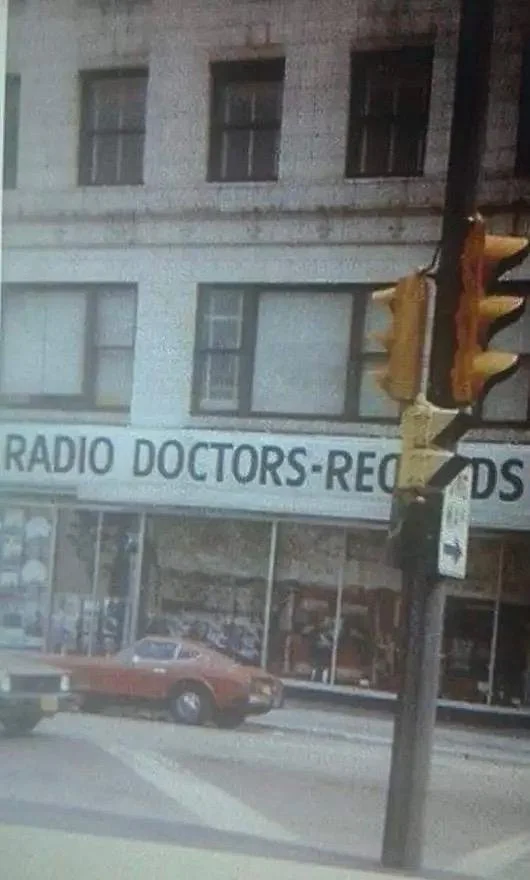
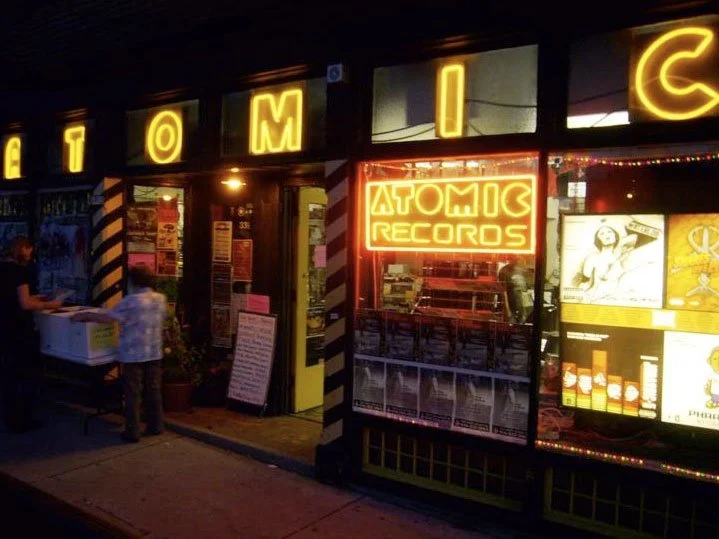
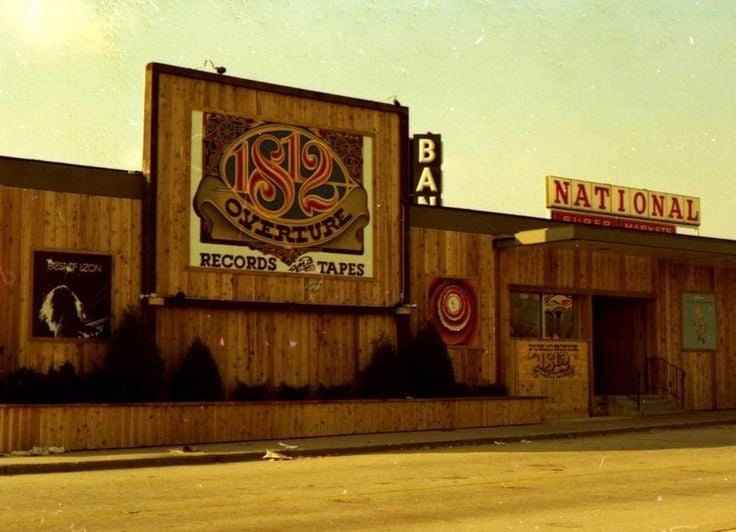
By the 1970s and 1980s, vinyl records were fully embedded in Milwaukee’s cultural life. Record stores multiplied across neighborhoods, each developing its own identity. Some leaned toward rock and punk, others toward soul, disco, reggae, or jazz. Stores weren’t interchangeable — they reflected the personalities of their owners and the communities they served.
This era cemented the idea of the record store as a social institution. People didn’t just stop in to buy music; they lingered, talked, argued, learned, and discovered. A good record store clerk could change your musical trajectory with a single recommendation.
At the same time, technological change never stopped. Cassettes and later compact discs began reshaping consumer habits. By the 1990s, vinyl was no longer the default format, and many stores struggled to adapt. National chains, big-box retailers, and eventually digital downloads reshaped the economics of music retail.
The Lean Years and Transitional Spaces
The early 2000s were especially difficult for independent record stores. Vinyl had not yet staged its comeback, and many longtime shops closed. One notable Milwaukee store from this transitional period was Lotus Land, which operated from 2000 until 2008. Blending records with underground culture and alternative retail, Lotus Land represented a moment when vinyl survived primarily through dedicated collectors rather than mass demand.
When Lotus Land closed, it marked the end of a chapter that stretched back to Milwaukee’s mid-century record store boom. For a brief time, it felt possible that physical record stores might disappear altogether.
But something unexpected was already forming beneath the surface.
The Vinyl Revival and a New Chapter in Milwaukee
By the late 2010s, vinyl’s resurgence was no longer a novelty. Records were being rediscovered by younger listeners and re-evaluated by longtime collectors. At the same time, Milwaukee faced a new reality: decades of accumulated collections were changing hands due to downsizing, estate transitions, and shifting lifestyles.
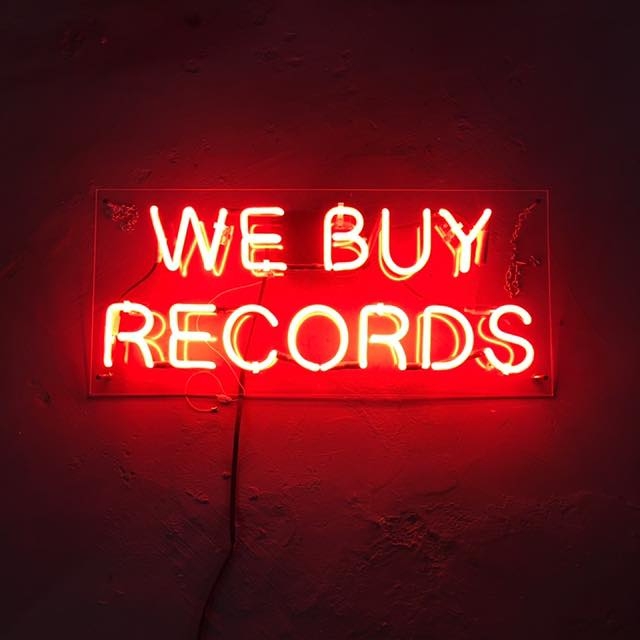
In 2018, We Buy Records was founded in Milwaukee as part of this new phase of record culture. Rather than focusing only on retail shelves, the business centered on buying full vinyl collections and keeping them circulating locally. This approach reflected a broader shift in how Milwaukee engaged with physical media — emphasizing preservation, fairness, and continuity between generations of listeners.
Today, Milwaukee’s vinyl ecosystem is healthier than many would have predicted twenty years ago. Records are no longer disposable objects or speculative trophies. They’re artifacts of personal history, community memory, and shared taste. And record stores — in their modern forms — remain essential to that ecosystem.
From early phonograph shops to Bronzeville’s R&B storefronts, from the boom years to the near-collapse and revival, Milwaukee’s record store history mirrors the story of vinyl itself: resilient, adaptive, and deeply human.
Thinking About Selling or Buying Records in Milwaukee?
If you’ve inherited a collection, are downsizing, or simply want to understand what your records are worth, working with a local Milwaukee record buyer can save time and guesswork. Conversations are free, pressure is low, and experience matters.
📞 Call
💬 Text photos
✉️ Email
Looking to dig instead? You can explore available records here:
👉 Buy Vinyl Records
Want to hear from people who’ve sold locally?
⭐ Read Seller Reviews